
Okay, so check this out—browser wallets changed the game for interacting with Solana. They make onboarding fast, they let you click through dApps without installing heavy software, and they feel nimble in a way mobile wallets sometimes don’t. Whoa! My first impression was pure delight, though actually, wait—there’s a tradeoff. Initially I thought speed was everything, but then realized security, UX, and developer support matter just as much, if not more.
Here’s what bugs me about a lot of wallet advice: it gets either nerdy-obsessive or dumbed-down to the point of being useless. Seriously? The middle ground is where real people live—Main Street users, devs who want to ship, and day traders who need reliability. Hmm… I want to be practical. My instinct said to list features, yet a list alone would miss the context of how you actually use these wallets day-to-day.
Browsers are where I spend most of my work hours. I open tabs, I sign a transaction, I jump back to Slack, then to a spreadsheet—all in under a minute. Wow! That flow demands a wallet that feels like a native browser citizen: minimal prompts, clear warnings, fast confirmations, and an easy way to manage multiple accounts without fumbling. On one hand browser extensions can be the smoothest route for Solana interactions; on the other hand there are phishing traps and permission creep that will bite you if you’re not careful.
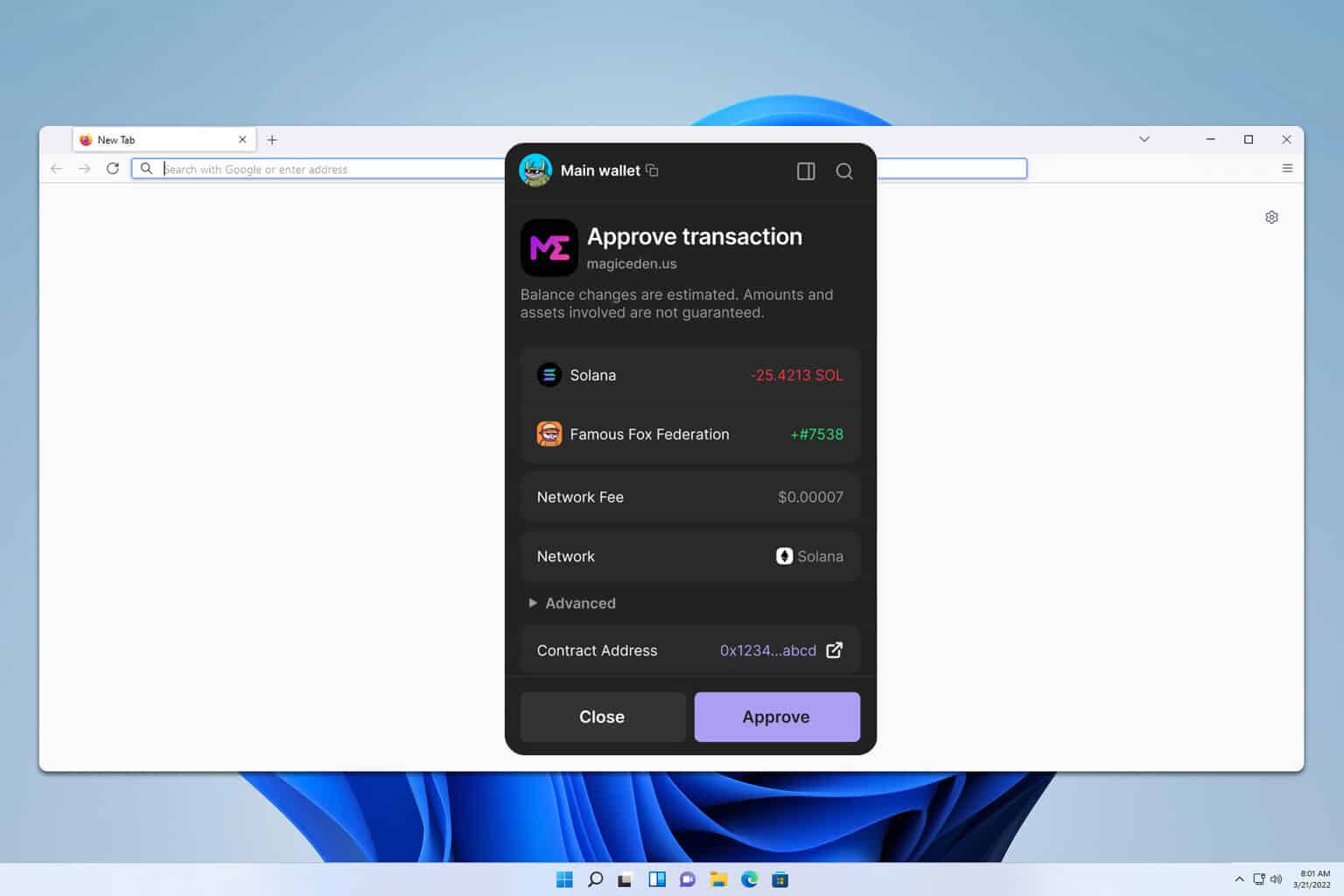
Picking a Solana Extension: Practical Signals I Use
First, trust the install source. Always double-check the origin and reviews. Really, really check. Short version: the Chrome Web Store and Firefox Add-ons are obvious places, but imposter pages exist so watch the URL. My gut feeling once flagged a clone site—somethin’ felt off about the design and the prompts it asked for. On reflection, it was the combination of tiny typos and an unusual permissions request that gave it away.
Next, look at developer activity. Are updates frequent? Are changelogs clear? Are bug reports answered? These are subtle signals that separate a wallet that will be maintained from one that will rot on the vine. For Solana specifically, I look for support for SPL tokens, stake account visibility, and integrated support for common dApp protocols like Serum and Raydium. On the contrary, wallets that only display balances but hide staking or DeFi positions are missing the point.
Okay—real talk. If you want a quick, widely used option, consider phantom wallet for a first try. It installs quickly and integrates with most Solana dApps I use. I like its onboarding and the way it surfaces transaction details without burying them in legalese. The one link I trust for starting is phantom wallet. That said, I’m biased: I prefer small, iterative UX improvements over flashy features that look cool in demos but break in production.
Security-wise, never export your seed phrase into a text file. Ever. Short sentence. Use hardware wallets when you hold meaningful sums, and check for hardware integration before you rely on an extension. On the other hand, for everyday low-value interactions a well-built extension is fine, though you should treat each signature request like a potential compromise. Initially I underestimated signature fatigue—after signing dozens of tiny transactions you start to click without reading—and that is dangerous.
DeFi Use: How Extensions Fit Into My Workflow
DeFi on Solana moves fast. Trades execute quickly and composability means you can hop from a swap to a farm to a liquidity pool in minutes. Whoa! For DeFi I want a wallet that clearly shows fees, handles token approvals gracefully, and can manage multiple wallets or accounts without a headache. Medium paragraph here—these things matter as much as raw speed.
I usually keep three profiles: one cold worker-stash with most assets, one hot wallet for trades, and a burner for experimental launches. This separation reduces risk and helps me mentally categorize actions—strategy, trading, or experimenting. Something I’ve learned the hard way: label accounts in the extension right away. You’ll thank me later when a transaction prompt doesn’t make you pause and wonder which account you’re using.
Also, watch for token wrapping and synthetic derivatives that look like the real thing on the surface. Hmm… my instinct says treat unfamiliar tokens like strangers at a party—ask lots of questions before you handshake. Most DeFi exploits happen when approvals run wild or a contract misrepresents a token’s authority pattern.
Developer and Power-User Features I Care About
When I’m building or evaluating integrations I want RPC flexibility, a clear signing API, and good testnet support. I want verbose error messages that actually tell me what’s wrong. Seriously? Wallets that give me a cryptic “Failed” message are the worst. They slow dev cycles and leave room for user error.
Also: network switching should be sane. If a wallet forces you to jump through hoops to switch between mainnet and devnet, that’s a UX failing. The best extensions let you toggle networks and show the active RPC URL so you can be confident which chain you’re sending transactions to. On the other hand, some extensions hide RPC nuances entirely, which is convenient but risky when you need to debug failed txns.
Common Questions People Ask (and how I answer them)
Is a browser wallet safe for holding Solana long-term?
Not usually. Browser extensions are great for convenience and daily interactions but are not ideal for long-term custody of large sums. Use a hardware wallet integrated with your extension for cold storage. Also, keep recovery phrases offline and in multiple secure places—don’t screenshot them or store them on cloud drives.
What about phishing—how do I avoid it?
Simple habits: verify URLs, never paste your seed phrase, and confirm signatures on the device (or hardware signer) if possible. If a dApp asks for full account control, pause. Read the prompt—yes, read it. Your muscle memory will betray you eventually, so build checks into your routine.
Which wallet should a newcomer start with?
For most newcomers the entry barrier should be as low as possible without compromising basic safety. A polished extension that integrates with popular dApps, offers clear guidance on seed phrases, and provides options for hardware integration is ideal. I mentioned phantom wallet above for that reason—it’s a pragmatic starting point for many folks.